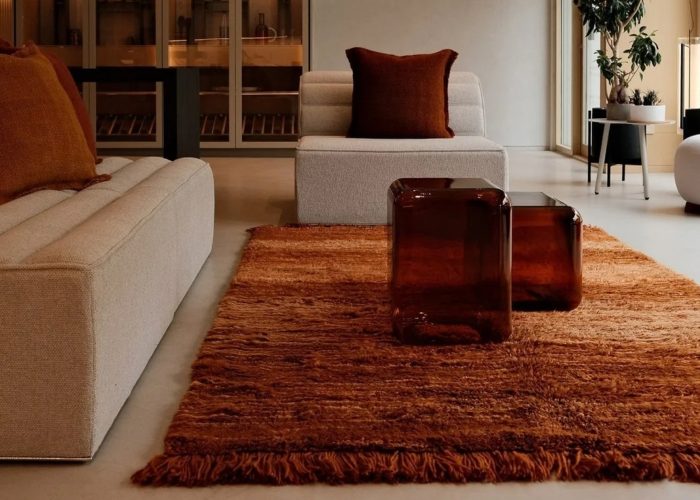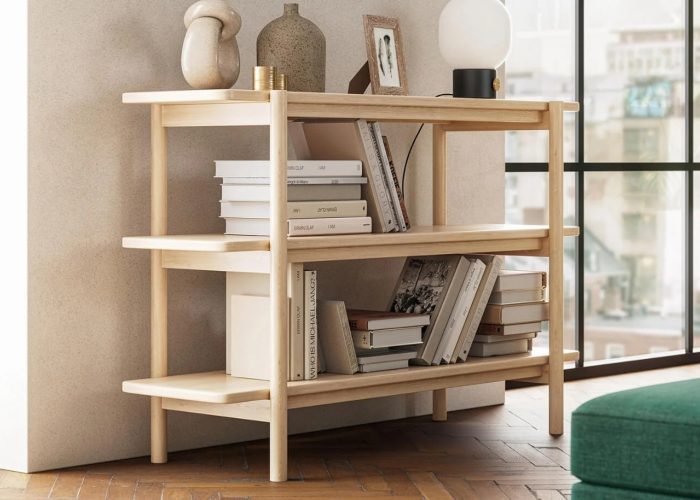
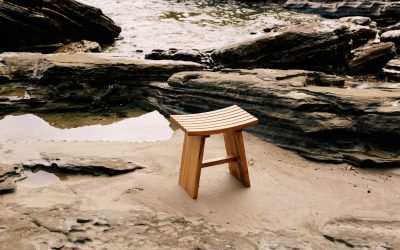


Put your feet up and relax with the eco-friendly and non-toxic ottomans, benches, and poufs from these incredible sustainable furniture brands.
What makes an ottoman, pouf, or bench sustainable?
There are a lot of considerations that go into making sustainable furniture. Some brands may meet more of these criteria than others, and some criteria may be more or less important to you.
You might also engage with sustainability differently depending on your lifestyle, budget, aesthetic preferences, among other factors. But here’s a general idea of what to look for:
Look Secondhand
Used ottomans and benches are going to the most sustainable option since these furniture pieces have already been produced! Plus you’re preventing that furniture from heading to a landfill. You could browse an app like OfferUp or check your local Facebook Marketplace.
You can also check secondhand furniture sites like AptDeco and Chairish
Shopping for new sustainably-made ottomans and benches? Check out the following tips:
Eco-Conscious & Durable Materials
With the rise of fast furniture, the quality — and the sustainability — of materials used in furniture has declined. I’m consistently blown away by the incredible condition of so much vintage mid-century modern (1930s-1970s) furniture out there. (And equally shocked by the lack of quality in much modern furniture…)
A sustainable ottoman (or sustainable bench) would be made with excellent craftsmanship, designed to last. It would also be constructed from responsibly sourced materials such as FSC-Certified and/or locally sustainably-harvested wood, recycled fabrics and organic natural fabrics for the upholstery, and non-toxic — ideally zero VOC — finishes. This guide has more non-toxic furniture brands.
Responsibly Made
Look into where the brand is producing their ottomans, benches, and/or poufs. Is it in their own workshop or a nearby production facility? Is it in a fair trade artisan workshop? A brand should have transparency and traceability of their supply chain. Many of the brands in this guide based in the US also produce in the US — this isn’t a guarantee, but can offer more transparency into the supply chain.
They also should ensure workers are earning living wages and work in safe environments. This is also where the overlap with non-toxic comes in — when there are toxic chemicals used in furniture, supply chain workers are exposed to these toxins in far greater quantities than consumers.
Circular Practices
The EPA estimates that 12 million tons of furniture are thrown out annually. Yikes. A brand selling sustainable benches and ottomans would ideally consider the following:
- Quality construction so the furniture lasts a lifetime (or several)! If you’re moving a lot, it’s also worth considering how easy that piece of furniture is to move around and deconstruct/reconstruct if necessary. Though this probably is less of a concern with a smaller piece of furniture like a pouf, bench, or ottoman.
- Repairability. Is that material repairable? Does that brand have replacement parts? Is it a material that could be refinished or reupholstered easily? For example “vegan leather” (typically plastic) is very difficult to keep up or repair.
- Secondhand program or resellability. It would be incredible if the brand had a resale program for their furniture. Not many brands do, though. So you might also just think about if the style and quality of the piece would make it easy to sell again if you do think you might outgrow it.
What to know about certifications
You’ll see a few certifications referenced throughout this guide. Here’s what each one covers:
- FSC Certified = the wood sourcing was responsibly managed; not a finish, foam, or textile guarantee.
- GOTS Certified = the fabric meets strict organic and safety standards, with labor protections built into the entire supply chain; a textile-specific certification, not a wood or foam guarantee.
- GREENGUARD Certified = the finished product was tested for low chemical emissions, including VOCs; chemical safety certification, not a sustainability certification
- Cradle to Cradle Certified (Bronze through Gold) = evaluates a product across material health, circularity, clean air/climate, water/soil stewardship, and social fairness; this certification can assess a whole product or a material
- CertiPUR-US® = the foam is made without ozone depleters, PBDE flame retardants, mercury, lead, or formaldehyde, and meets low VOC emission standards; this is exclusively a synthetic foam certification, so the certification cannot apply to natural latex
Where to Find Sustainable Ottomans, Benches, and Poufs
Ok, that was a lot! But don’t worry: we’ve done the hard work of sifting through brands to curate the best options available right now. Check them out!
Note that this guide includes affiliate links, which means we may earn a small commission at no additional cost to you if you make a purchase which helps us continue to run this site. We only feature brands that meet strict standards for sustainability we love, and that we think you’ll love too.
1. Medley
Best for: non-toxic ottomans and poufs
Medley has sustainable poufs, ottomans (including storage ottomans), and benches handcrafted in the US with exceptional quality standards.To back up their claims, Medley has a lifetime warranty on frames, 10-year warranty on fillings, and a 5-year warranty on fabric upholstery.
The brand’s benches and ottomans are made from domestically-sourced FSC-certified Alder hardwood and non-toxic fabrics, including GREENGUARD-certified fabrics and natural fibers like cotton and linen.
Conscious Qualities: US-Made, Quality Warranty, Natural Fiber Options, Non-Toxic
Price Range: $595 – $1,985
Ships: International

2. Savvy Rest
Best for: organic ottoman made with all-natural materials
Savvy Rest hits every sustainability criteria in my book. Their non-toxic ottoman is made from solid locally-sourced Appalacian hardwood, GOTS-certified organic cotton and/or hemp upholstery, natural coir, and Cradle to Cradle Gold-certified Talalay latex. The brand also has a sustainable bench.
All of Savvy Rest’s furniture is available unfinished or with zero-VOC finishes. Plus, it’s all made in their own Virginia workshop.
Conscious Qualities: Non-Toxic, Organic & Natural Materials, US-Made, Certified B Corp
Price Range: $1,149 – $1,498
Ships: Internationally
Use code CONSCIOUSSTYLE20 for 20% off!

3. MasayaCo
Best for: sustainable wood benches
Originally founded as a reforestation project, this sustainable furniture company is committed to responsibly-made furniture. They’ve planted 1.2 million trees to date.
MasayaCo’s teak ottomans and benches are handcrafted to order by skilled artisans in Nicaragua. Many of the pieces are suitable for outdoor use as well. Note, though, that I couldn’t find any information about the finishes MasayaCo uses.
Conscious Qualities: FSC-Certified, Reforestation Projects, Artisan Handmade to Order
Price Range: $295 – $995
Ships To: US States & Territories

4. Urban Natural
Best for: design-forward sustainable benches and ottomans
This sustainable furniture and home retailer has a beautiful selection of functional ottomans, cozy poufs, and elegant benches.
Among their selection are reclaimed teak benches from Ethnicraft and organic ottomans made with all-natural materials from Cisco Home (select “Organic Upgrade”). You’ll likely be able to find whatever you’re looking for on Urban Natural, from an ottoman with storage to a swivel pouf.
Conscious Qualities: Eco-Minded Materials, Ethically Made
Price Range: $419 – $5,595
Ships to: Contiguous US; contact for overseas shipping

5. Sabai
Best for: repairable sustainable ottoman
Sabai’s sustainable seating and ottoman considers not only the production practices — like using recycled fabrics and FSC-certified wood — but the full lifecycle.
The furniture company offers replacement parts so you can easily repair instead of needing to replace, and has a buy back and resale program so you can keep your pieces in circulation. I’ve never seen anything like these initiatives in the furniture space, so that scores major brownie points with me.
Conscious Qualities: Recycled & Natural Materials, Secondhand & Repair Program, US-Made
Price: $425
Ships To: All US States + Canada

6. Emeco
Best for: quality benches with lifetime warranty
Handcrafted in Pennsylvania from recycled aluminum and responsibly-harvested Accoya wood, Emeco’s eco-friendly benches are built to last. While Emeco has just a few options, their benches are tried and true, and crafted for a lifetime.
In fact, every product passes commercial grade standards and come with a 150-year life expectancy — so you know it’s durable.
Conscious Qualities: Recycled & Sustainably Sourced Materials, Durable, US-Made
Price Range: $1,435 – $2,395
Ships to: US

7. Natural Home
Best for: modular non-toxic ottomans
Natural Home by Futon Shop has non-toxic ottomans made from 100% natural materials. Their NBJ modular ottomans are crafted with natural Dunlop latex, coconut coir base, and wool upholstery. They also have a vegan ottoman made with potato-based PLA fiber. And if you want to go the extra mile, you can upgrade to organic latex fill for your custom ottoman.
Conscious Qualities: Non-Toxic, Natural & Organic Materials, Woman-Founded, Gives Back
Price Range: $699 – $2,125
Ships To: Contiguous US States

8. Loll Designs
Best for: sustainable outdoor ottomans
Loll Designs creates outdoor furniture (including an outdoor ottoman) from partially recycled high-density polyethylene (HDPE) — mostly from milk jugs – and the upholstery is made from Sunbrella acrylic, which is synthetic, but is a durable performance fabric. (Natural fibers can be tough for outdoor use.)
All of Loll’s materials are purchased within the US and the furniture is produced in Duluth, Minnesota.
Conscious Qualities: Recycled Materials, US-Made
Price: $245 – $1,795
Ships to: US

Your Questions, Answered
What’s a typical price range for an eco-friendly or non-toxic ottoman?
Across the brands in this guide, sustainable ottomans, poufs, and benches generally range from around $250 on the low end (a simple outdoor ottoman or small pouf) to $2,000 for a large bench or organic fabric upholstered ottoman. Most land somewhere in the $600 – $1,200 range for a standard-sized ottoman.
There are a few things that can drive the price up: sustainably-sourced materials, domestic US production (versus overseas mass manufacturing), scale of production and operations (if a small business produces in small batches, they don’t benefit from efficiencies of scale) and third-party certifications like GOTS, GREENGUARD, or Cradle to Cradle, each of which the brand pays more not only to meet the certification standards but for the certification itself.
Which brands offer the longest warranties? Which brands will last the longest?
While warranties are not the only indicator of durability, warranty length can be a sign of a brand’s confidence in their own furniture.
Medley offers a lifetime warranty on frames, a 10-year warranty on fillings, and a 5-year warranty on fabric upholstery. Emeco goes even further: their aluminum benches carry a lifetime warranty, and the company estimates their furniture can last up to 150 years with normal use. Upholstery is usually the first element to breakdown on a furniture piece, so this makes sense that Emeco’s pieces — which don’t have any upholstery — would have a longer warranty.
Sabai’s furniture, on the other hand, comes with just a 1-year warranty but they stand behind their products in a different way. The brand has repairable furniture with replacement parts. So you can just purchase the part of the ottoman that broke (like the legs) or got in bad shape (like the upholstery), instead of replacing the entire ottoman.
More Sustainable Furniture Guides:
Sustainable & Non-Toxic Sofas To Relax In